In the sprawling landscape of modern fashion, where trends are born and discarded with the changing seasons, one market segment appears conspicuously overlooked: maternity wear. The disappearance of dedicated, stylish, and accessible pregnancy clothing from mainstream fashion retail is not a sudden vanishing act but a slow, steady erosion. For an industry that prides itself on inclusivity and body positivity, this gap is both puzzling and telling.
Walk into any major department store or browse the websites of fast-fashion giants, and the offerings for expecting mothers are often relegated to a hidden corner or a sparse online category. The selections are frequently limited, functional at best, and aesthetically stuck in a time warp. While the rest of fashion charges forward with innovation, diversity, and a relentless pursuit of the new, maternity wear seems to have been left behind, operating on a different, slower calendar. The question is, why has an industry so obsessed with the consumer chosen to ignore such a fundamental and universal experience as pregnancy?
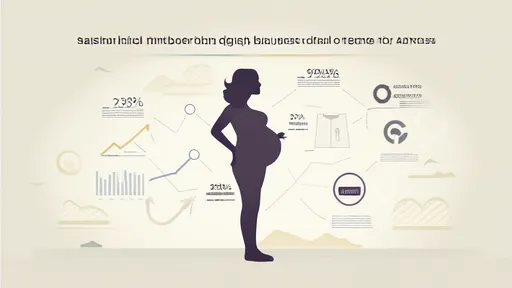
The economics, at first glance, seem counterintuitive. Pregnancy is not a niche life event. Millions of women around the world experience it each year, and they represent a demographic with significant purchasing power. However, the transient nature of pregnancy—typically lasting around nine months—is often cited by retailers and designers as a primary deterrent. The fashion business model, particularly in the era of fast fashion, is built on repeat customers and constant consumption. A customer who may only require a specialized wardrobe for two out of the four seasons presents a perceived volatility that clashes with the demand for predictable, recurring sales. The market is seen as a temporary pit stop rather than a loyal customer base, leading to underinvestment in design, marketing, and inventory.
This financial calculus is compounded by a deeper, more cultural blind spot within the industry's core. Fashion has long been critiqued for its narrow standards of beauty, often celebrating a specific, often unattainable, body type. While there has been a commendable push in recent years towards greater size inclusivity, this movement has largely focused on offering extended sizes for existing styles. The pregnant form, with its unique and rapidly changing silhouette, represents a different kind of design challenge altogether. It requires a rethinking of drape, structure, and support that many brands seem unwilling to undertake. The creativity and technical skill needed are substantial, and many design houses simply lack the expertise or the will to develop it for a market they deem temporary.
Furthermore, the marketing machinery of fashion thrives on aspiration and fantasy. Campaigns are built around concepts of escape, desire, and an idealized version of life. For decades, the imagery surrounding motherhood in the media has been fraught with complexity, often sidestepping the raw, physical reality of pregnancy in favor of a sanitized, glowing ideal. Integrating the pregnant body into the core narrative of a fashion brand requires a nuanced approach that many marketers find challenging. It moves away from the fantasy of effortless perfection and into the real, beautiful, but complex world of creating life. This shift doesn't align easily with the aspirational fantasies that sell perfumes and handbags.
The rise of direct-to-consumer startups focused solely on maternity wear highlights the failure of traditional players. These niche brands have identified the void and are attempting to fill it with online-only models that offer modern designs, versatile pieces, and rental options to address the temporary nature of the need. Their existence is proof of demand, but their struggle for scale and visibility underscores the systemic nature of the problem. They are operating on the periphery, while the central power of the fashion industry—the conglomerates that dictate trends and control mall real estate—remains disengaged.
The consequence of this neglect is that it pushes expecting mothers towards a handful of specialized retailers, the aforementioned online startups, or the vast and unpredictable realm of secondhand markets. It fragments the experience and denies women the joy of expression and identity that fashion provides during a time of profound physical and emotional change. Clothing is a language, and the limited vocabulary offered to pregnant women can feel isolating, implying that their changing bodies are something to be hidden or merely accommodated, not celebrated.
In ignoring the maternity market, the fashion industry is missing more than a revenue stream; it is missing a storytelling opportunity. It is failing to acknowledge a powerful, transformative, and nearly universal human experience. The pregnancy journey is one of anticipation, strength, and metamorphosis—themes that are inherently dramatic and deeply fashionable. By continuing to treat it as a logistical problem to be solved rather than an inspiration to be embraced, the industry reveals a startling lack of imagination. The disappearing act of maternity wear from the fashion forefront is not just a market failure; it is a cultural one, reflecting an industry still hesitant to fully dress the entirety of a woman's life.

By /Aug 21, 2025
By /Aug 21, 2025
By /Aug 21, 2025
By /Aug 21, 2025
By /Aug 21, 2025
By /Aug 21, 2025

By /Aug 21, 2025

By /Aug 21, 2025
By /Aug 21, 2025
By /Aug 21, 2025

By /Aug 21, 2025
By /Aug 21, 2025
By /Aug 21, 2025
By /Aug 21, 2025

By /Aug 21, 2025
By /Aug 21, 2025
By /Aug 21, 2025

By /Aug 21, 2025

By /Aug 21, 2025

By /Aug 21, 2025