In the realm of art exhibitions, the power of storytelling has emerged as a transformative force, reshaping how audiences engage with visual narratives. The traditional model of simply displaying artworks in chronological or thematic order is giving way to more dynamic, immersive experiences that weave together objects, context, and emotion into a cohesive whole. This shift reflects a growing recognition that art, at its core, is about communication—and what better way to communicate than through a well-crafted story?
The concept of narrative structure in exhibition planning draws from centuries of literary and cinematic traditions, adapting techniques like character development, plot arcs, and thematic resonance to the spatial and visual language of galleries. Curators are no longer mere selectors of art; they have become authors of experiences, carefully constructing journeys that guide visitors through layers of meaning. A successful exhibition narrative doesn't just tell viewers what to see—it invites them to feel, question, and connect.
At the heart of any compelling art story lies the delicate balance between education and emotion. Visitors might come to an exhibition seeking knowledge about a particular artist or movement, but they leave remembering how the artwork made them feel. This emotional resonance is often achieved through what storytelling experts call the emotional arc—a carefully modulated progression that moves audiences from curiosity to revelation, sometimes through moments of tension, surprise, or contemplation.
Consider how many groundbreaking exhibitions have employed narrative techniques traditionally associated with novels or films. The retrospective that presents an artist's career not as a linear progression but as a series of thematic chapters, each with its own mood and visual language. The group show that creates dialogue between works from different periods, as if characters in a play conversing across time. These approaches demonstrate how curatorial storytelling can create richer, more memorable experiences than traditional taxonomic displays.
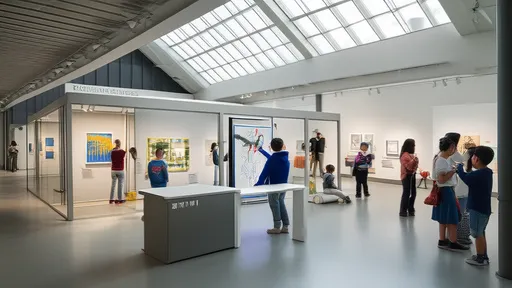
Spatial design plays a crucial role in articulating these narratives. The physical path through an exhibition—the sequence of rooms, the sightlines between artworks, the play of light and shadow—all contribute to the rhythm of the story being told. A narrow, dimly lit corridor might create a sense of intimacy or tension before opening into a bright, expansive gallery that delivers visual catharsis. These architectural decisions are the punctuation marks in the curator's sentence, guiding the pace and emphasis of the visitor's journey.
Textual elements, from wall labels to audio guides, serve as the voice of the narrative when used judiciously. The trend toward interpretive storytelling has moved away from dry, factual descriptions toward more engaging texts that provide context without dictating meaning. The most effective labels don't just identify what something is; they suggest why it matters, how it connects to other works, or what questions it might raise. This approach respects the intelligence of visitors while providing enough framework to deepen their engagement.
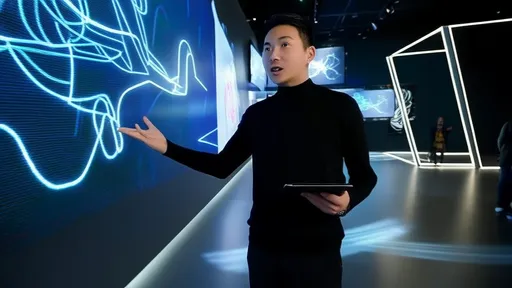
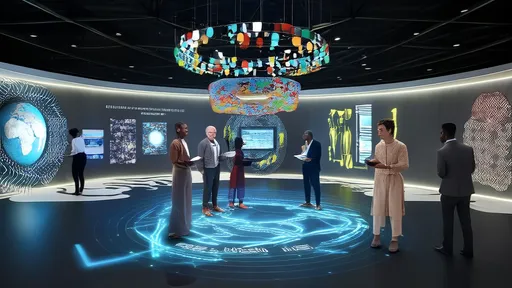
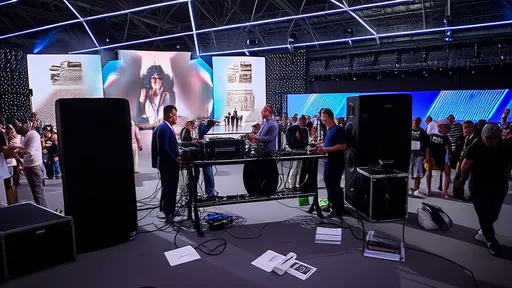
Multimedia and technology have expanded the toolkit available to exhibition storytellers. Digital projections can create atmospheric environments that transport visitors to different times or places. Interactive displays might allow audiences to explore alternative narrative paths or delve deeper into specific aspects of the story. However, the most successful technological integrations are those that serve the narrative rather than distract from it—enhancing rather than overwhelming the art itself.
The challenge of narrative curation lies in avoiding didacticism while still providing meaningful structure. The best exhibition stories are those that leave room for personal interpretation, that acknowledge the viewer as co-creator of meaning. This requires a delicate balance between guidance and freedom, between the curator's vision and the visitor's autonomy. It's the difference between telling audiences what to think and inviting them to think deeply.
Critics of narrative-driven exhibitions sometimes worry that strong storytelling might overshadow the artworks themselves or impose artificial interpretations. However, when executed with sensitivity and respect for the art, narrative structure doesn't constrain meaning—it liberates it by creating frameworks that help audiences access complex ideas. The story becomes a bridge between the unfamiliar and the understandable, between the historical and the contemporary.
Looking forward, the evolution of exhibition narratives seems likely to embrace even more interdisciplinary approaches. We're already seeing influences from theater, gaming, and immersive entertainment reshaping how stories are told in gallery spaces. The boundaries between different forms of cultural storytelling are blurring, creating exciting opportunities for innovation in how we experience art.
Ultimately, the move toward narrative-driven exhibitions reflects a broader cultural shift in how we value experiences. In an age of digital saturation, people increasingly seek meaningful, memorable encounters with art that engage both intellect and emotion. The curated story—thoughtfully constructed, visually compelling, and emotionally resonant—meets this need by transforming passive viewing into active discovery.
The art of exhibition storytelling continues to evolve as curators, artists, and designers explore new ways to connect artworks with audiences. What remains constant is the fundamental human desire for stories that help us make sense of the world and our place in it. Through the thoughtful application of narrative structure, exhibitions can fulfill this desire, creating spaces where art doesn't just hang on walls—it speaks, it sings, and it tells stories that linger long after visitors have left the gallery.
By /Aug 28, 2025

By /Aug 28, 2025

By /Aug 28, 2025

By /Aug 28, 2025

By /Aug 28, 2025

By /Aug 28, 2025
By /Aug 28, 2025

By /Aug 28, 2025

By /Aug 28, 2025

By /Aug 28, 2025

By /Aug 28, 2025
By /Aug 28, 2025

By /Aug 28, 2025
By /Aug 28, 2025

By /Aug 28, 2025
By /Aug 28, 2025

By /Aug 28, 2025

By /Aug 28, 2025
By /Aug 28, 2025

By /Aug 28, 2025