In the heart of every vibrant city, the art museum stands not merely as a repository of cultural treasures but as a dynamic nexus where creativity and community converge. The discourse surrounding public education in museums has evolved dramatically over recent decades, shifting from passive viewing experiences to immersive, participatory engagements that transform visitors into active participants in the artistic dialogue. This transformation underscores the museum's role as a vital bridge—one that connects the often-intimidating world of art with the diverse, curious public it seeks to serve.
Gone are the days when museums functioned as silent temples of high culture, accessible only to the initiated few. Today, they are increasingly embracing their social responsibility to educate, inspire, and include. Through innovative public education programs, these institutions are dismantling barriers—whether perceptual, economic, or cultural—and fostering an environment where art becomes a living, breathing part of everyday life. From interactive workshops and guided tours tailored to different age groups to digital initiatives that bring collections to global audiences, museums are redefining what it means to engage with art in the 21st century.
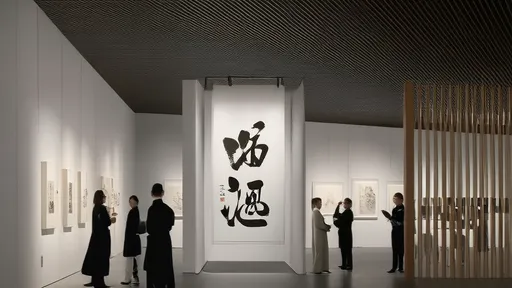
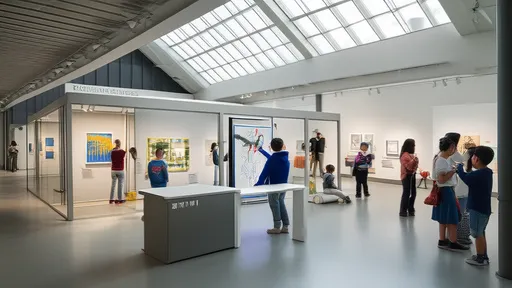
At the core of this educational mission is the recognition that art is not a monolithic entity to be passively consumed but a multifaceted language that speaks to human experience in all its variety. Effective public education programs therefore prioritize accessibility without sacrificing depth. They might involve hands-on activities for children that encourage creative expression, curator-led discussions that unpack the historical and social contexts of artworks, or community-based projects that invite local artists and residents to co-create exhibitions. Such initiatives not only demystify art but also empower individuals to find their own voice within the cultural conversation.
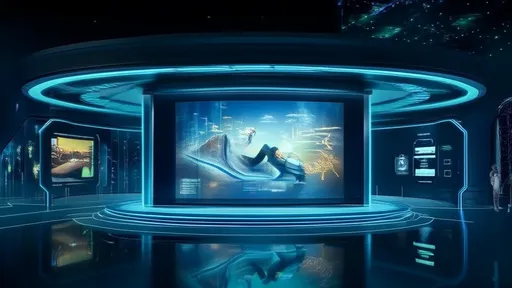
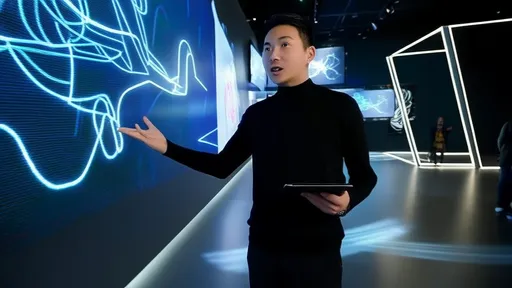
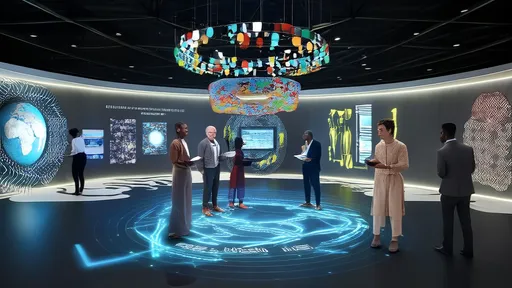
Technology has emerged as a powerful ally in this endeavor, enabling museums to extend their reach far beyond their physical walls. Virtual tours, online collections, and social media platforms allow people from remote corners of the world to explore masterpieces they might never see in person. Meanwhile, augmented reality apps and interactive installations within galleries offer new layers of interpretation, making art more engaging and relatable. However, the human element remains irreplaceable. Educators and docents play a crucial role in facilitating meaningful connections, offering insights that technology alone cannot provide.
Perhaps the most significant shift in museum education is the move towards inclusivity and diversity. Museums are increasingly conscious of the need to represent a wider range of voices and narratives within their collections and programs. This involves not only acquiring works by underrepresented artists but also designing educational content that reflects the multicultural realities of contemporary society. By doing so, museums ensure that all visitors—regardless of background—can see themselves reflected in the art and feel that their stories matter.
Yet challenges persist. Funding constraints often limit the scope of public education initiatives, while institutional inertia can slow the adoption of more radical, participatory models. Moreover, measuring the impact of these programs remains a complex task—how does one quantify inspiration or the subtle shift in perspective that art can provoke? Despite these hurdles, the commitment to public education continues to grow, driven by a belief in art's power to foster empathy, critical thinking, and social cohesion.
Looking ahead, the future of museum education lies in deeper community integration and collaborative approaches. Partnerships with schools, universities, and local organizations can amplify impact, while co-creation with audiences ensures that programs remain relevant and responsive. As museums navigate post-pandemic realities, hybrid models that blend digital and physical experiences will likely become standard, offering flexibility and broader access. Ultimately, the goal remains unchanged: to build bridges that connect art with people, transforming passive observers into active, lifelong learners and advocates for culture.
In essence, the public education functions of art museums are no longer peripheral activities but central to their mission. They represent a profound commitment to making art a democratic and transformative force in society. By continuously innovating and adapting, museums can ensure that they remain not just guardians of the past but vital, living spaces where art and audience meet, dialogue, and grow together.
By /Aug 28, 2025

By /Aug 28, 2025

By /Aug 28, 2025

By /Aug 28, 2025
By /Aug 28, 2025
By /Aug 28, 2025
By /Aug 28, 2025
By /Aug 28, 2025
By /Aug 28, 2025
By /Aug 28, 2025

By /Aug 28, 2025
By /Aug 28, 2025
By /Aug 28, 2025
By /Aug 28, 2025
By /Aug 28, 2025
By /Aug 28, 2025
By /Aug 28, 2025

By /Aug 28, 2025
By /Aug 28, 2025
By /Aug 28, 2025