In the vibrant and often unpredictable world of artistic creation, the concept of risk is as inherent as creativity itself. While the romantic notion of the artist as a solitary genius bravely facing the unknown persists, the reality for contemporary art projects—whether large-scale installations, international exhibitions, or community-based workshops—demands a far more structured and proactive approach. The successful navigation of these ventures hinges not on avoiding risk altogether, which is an impossibility, but on a robust framework for its assessment, prevention, and mitigation. This is no longer a peripheral administrative task but a core creative and managerial discipline essential for safeguarding artistic vision, financial investment, and public safety.
The initial phase of any meaningful risk management strategy involves a thorough and honest assessment. This process moves beyond mere intuition, requiring a systematic identification of potential threats across all facets of the project. Financial vulnerabilities often top the list, encompassing budget overruns, sponsorship withdrawal, or poor ticket sales. Creative and logistical challenges form another critical category, including the failure of a key technological component in a media installation, the damage or loss of artworks in transit, or the inability of a featured artist to participate. Furthermore, reputational and legal risks must be scrutinized, such as public backlash to controversial content, accusations of cultural appropriation, or failure to meet health and safety regulations and contractual obligations. This diagnostic stage is not about fostering pessimism; rather, it is an empowering exercise in foresight, illuminating the obstacles that could derail the project's success.
Once potential risks are mapped, the focus shifts to prevention—building fortifications before the storm arrives. This proactive stance is where much of the battle is won. Financial safeguards include developing contingency funds within the budget, securing diverse revenue streams, and obtaining appropriate insurance coverage for artworks, equipment, and public liability. On the creative and operational front, prevention manifests as rigorous planning: testing complex equipment extensively before the opening night, creating detailed condition reports and contracts for loaned artworks, and developing clear intellectual property agreements with all collaborators. Establishing a transparent and communicative team culture is also a vital preventive measure, ensuring that small issues are reported and addressed before they escalate into full-blown crises.
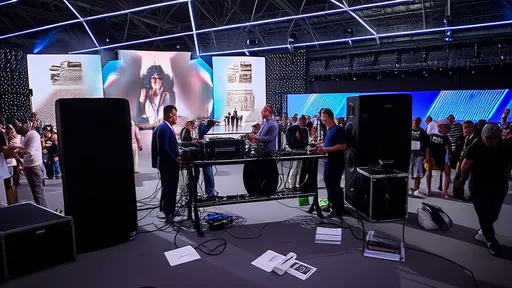
Despite the most meticulous preventive measures, the dynamic nature of art means that some risks will inevitably materialize. Therefore, a clear and agile response plan is non-negotiable. This involves drafting crisis communication protocols to manage public relations effectively, designating a response team with defined roles and responsibilities, and establishing decision-making hierarchies for urgent situations. For instance, a plan for a data projection failure might involve having backup hardware on-site and a technician on call, while a plan for a public safety incident would require clear evacuation routes and trained staff. The goal of response planning is not to predict every conceivable scenario but to create a flexible framework that allows the team to act swiftly, decisively, and cohesively under pressure, thereby minimizing damage and restoring stability.
Ultimately, integrating comprehensive risk management into the fabric of an art project is a profound demonstration of respect—for the art, for the artists, for the funders, and for the audience. It liberates rather than constrains the creative process. When artists and organizers are confident that potential pitfalls have been identified and plans are in place, they are free to experiment, innovate, and push boundaries. This disciplined approach transforms risk from a looming threat into a managed variable, ensuring that the artistic vision can be realized with integrity and shared with the world, regardless of the challenges encountered along the way. It is the crucial, if often unseen, work that allows the magic of art to happen reliably and powerfully.
By /Aug 28, 2025

By /Aug 28, 2025

By /Aug 28, 2025

By /Aug 28, 2025
By /Aug 28, 2025
By /Aug 28, 2025
By /Aug 28, 2025

By /Aug 28, 2025

By /Aug 28, 2025
By /Aug 28, 2025
By /Aug 28, 2025

By /Aug 28, 2025

By /Aug 28, 2025
By /Aug 28, 2025
By /Aug 28, 2025
By /Aug 28, 2025

By /Aug 28, 2025

By /Aug 28, 2025
By /Aug 28, 2025

By /Aug 28, 2025